“The fastest runs are almost invisible in their execution — the sled appears to glide effortlessly because the athlete has anticipated the track rather than reacted to it.”
Every curve
has a name.
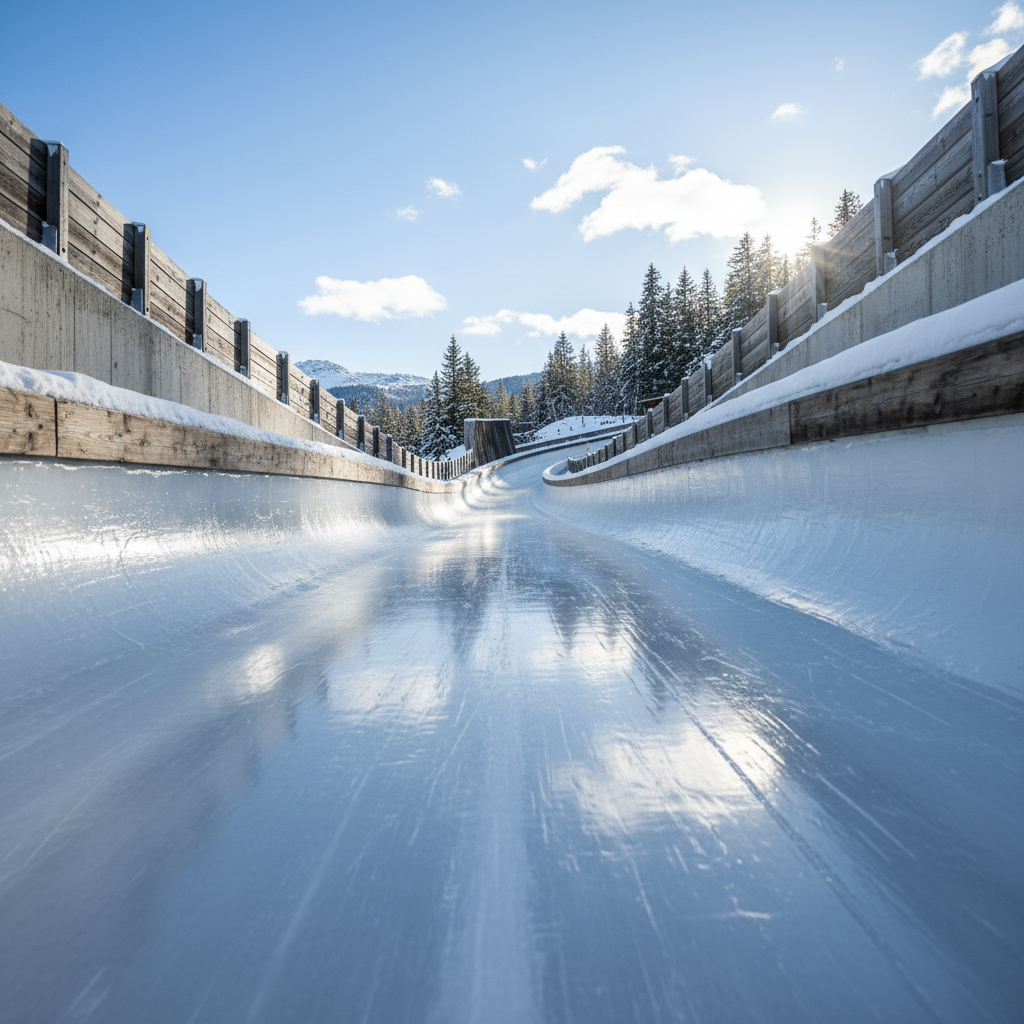
A typical Olympic track: 1.6 km, 121 m of elevation drop, 16 curves. Ours has three tiers of entry — pick where you belong.
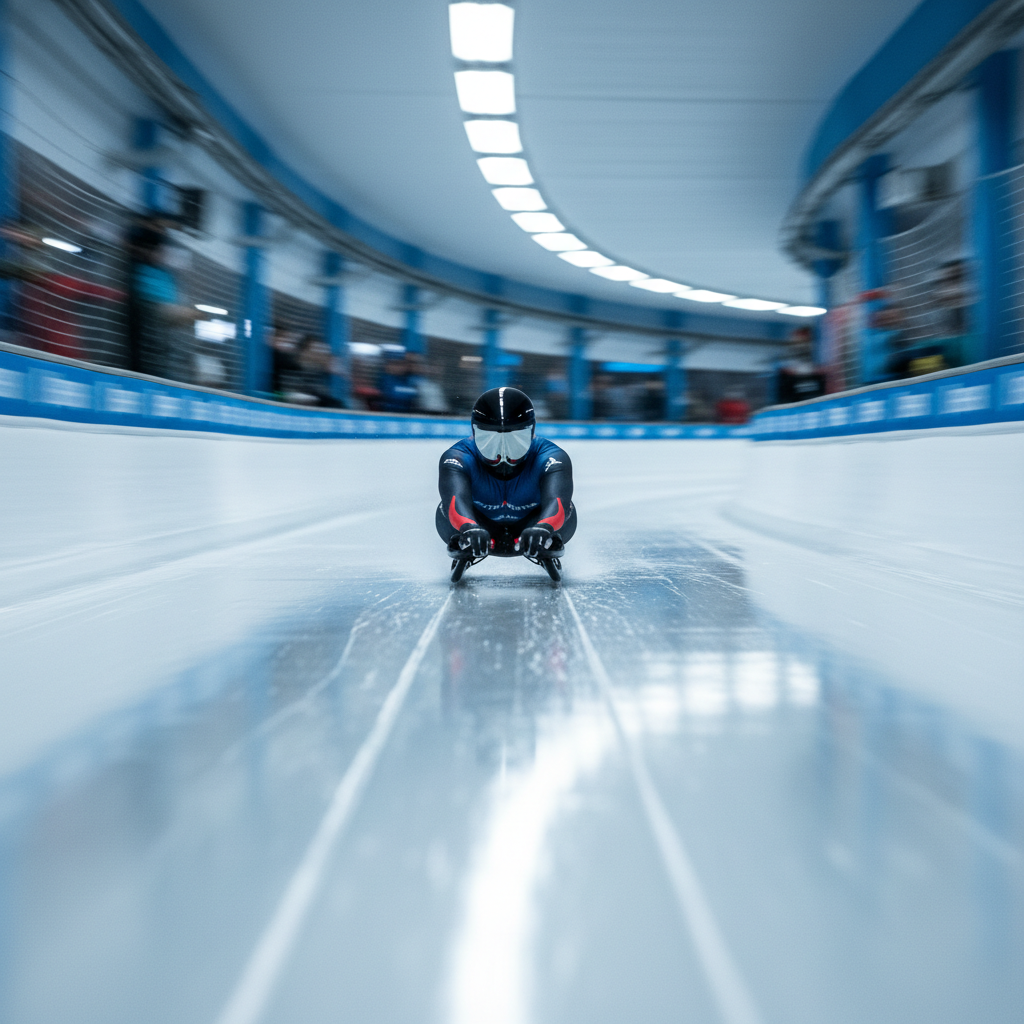
Thunderbolt
“First timers, this is your gravity.”
You've never lied on a sled going this fast. You don't need to have. Our intro sessions start here — a coached, controlled run where you feel exactly what 70 km/h means to your body before you graduate to the full track. Two hours on-ice, a certified coach beside you, and the start of something you won't stop thinking about.
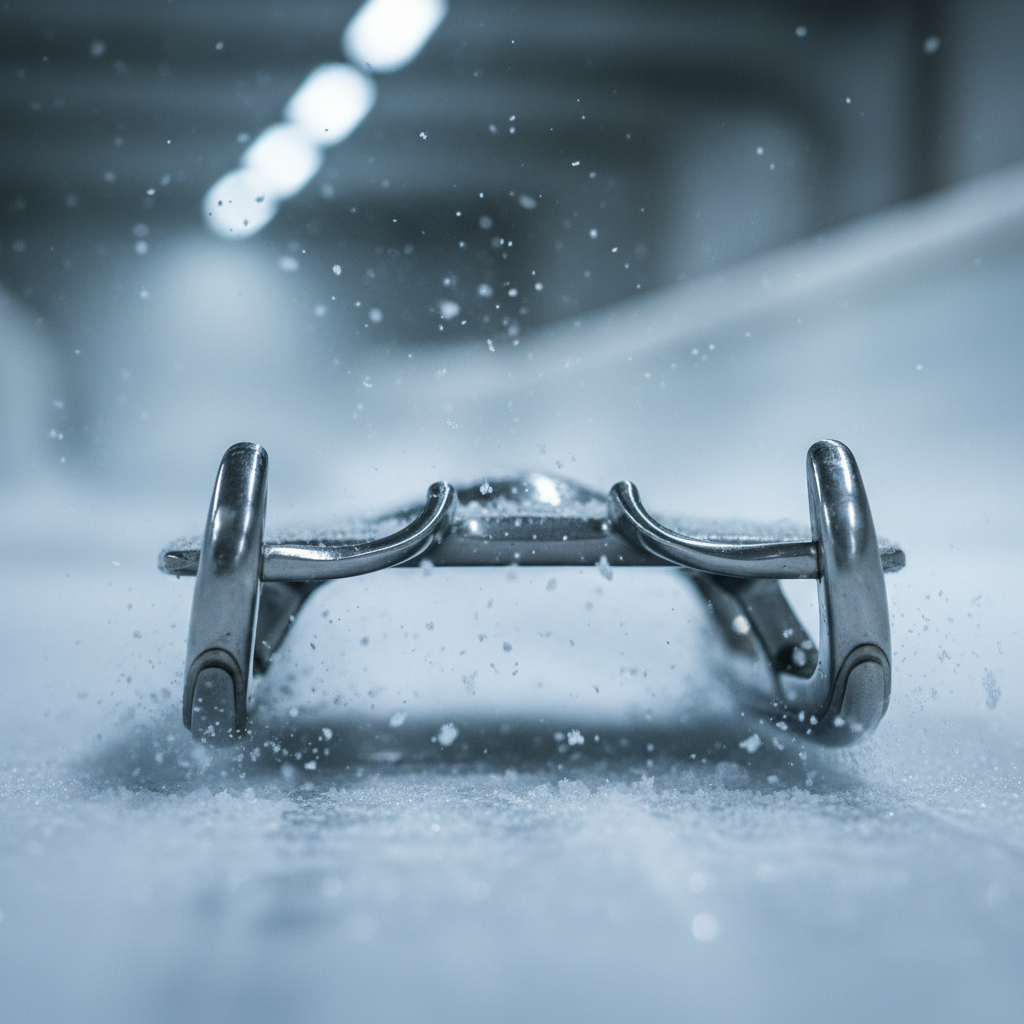
The Labyrinth
“The run is memorized before you sit down.”
Elite lugers don't react — they anticipate. By the time the sled reaches a turn, the decision was made two seconds ago. Our competitive training program works junior racers toward national selection times using video analysis, wind tunnel sessions, and split-by-split coaching from athletes who've stood on World Cup start ramps. Current club record: 44.872 seconds.
The sled flipped.
She ran it again.
Crashes happen. What separates luge from recklessness is what comes after — the debrief, the rebuild, the second run that fixes what the first one revealed.
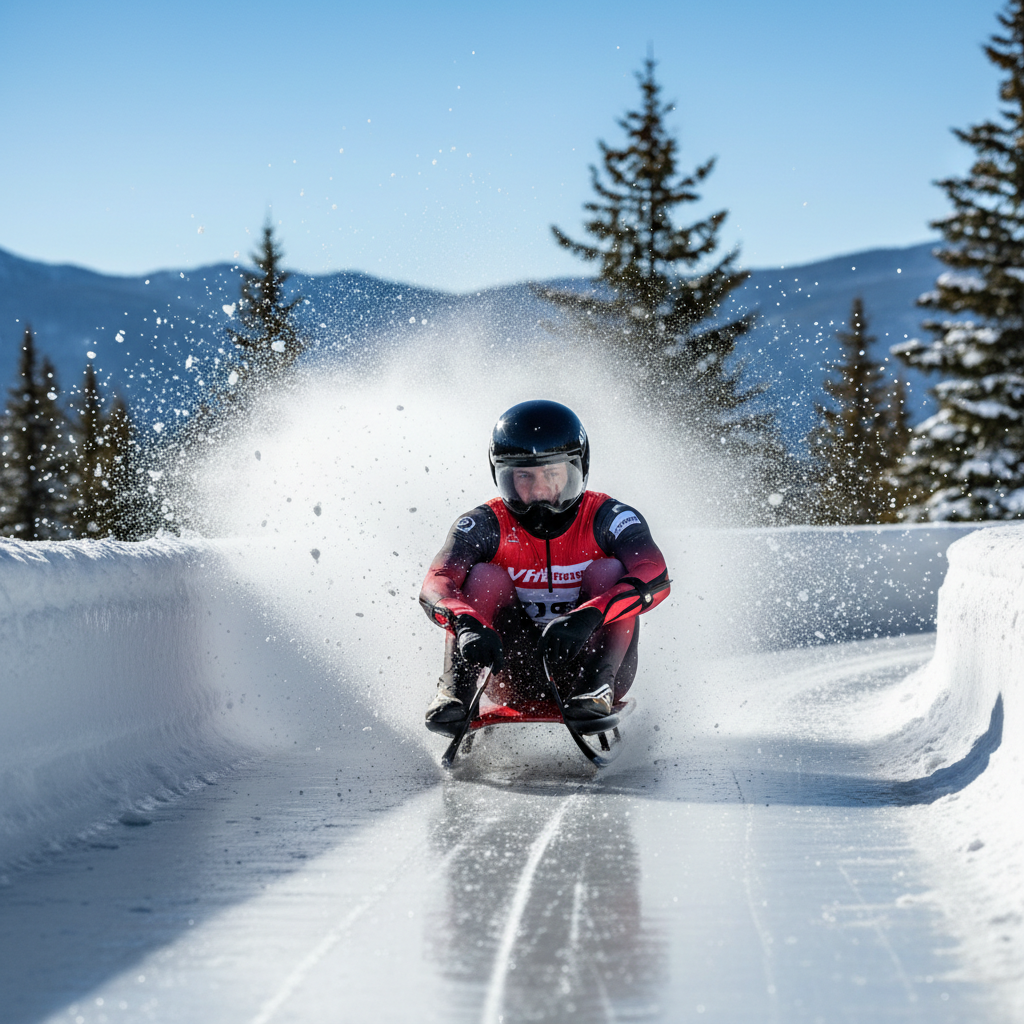
The crash is data. The second run is the lesson applied.

Track Memorization
Every corner is walked before it's slid. Athletes learn curve entry points, pressure timing, and exit lines before sitting on a sled.
Video Analysis
Every training run is filmed from four angles. Coaches review pressure patterns, body position, and line corrections within minutes of the run.
Split-Time Precision
Times measured to 0.001 seconds. Athletes see exactly which sector costs them — and fix it the next run, not the next season.
The fog on their
visors.
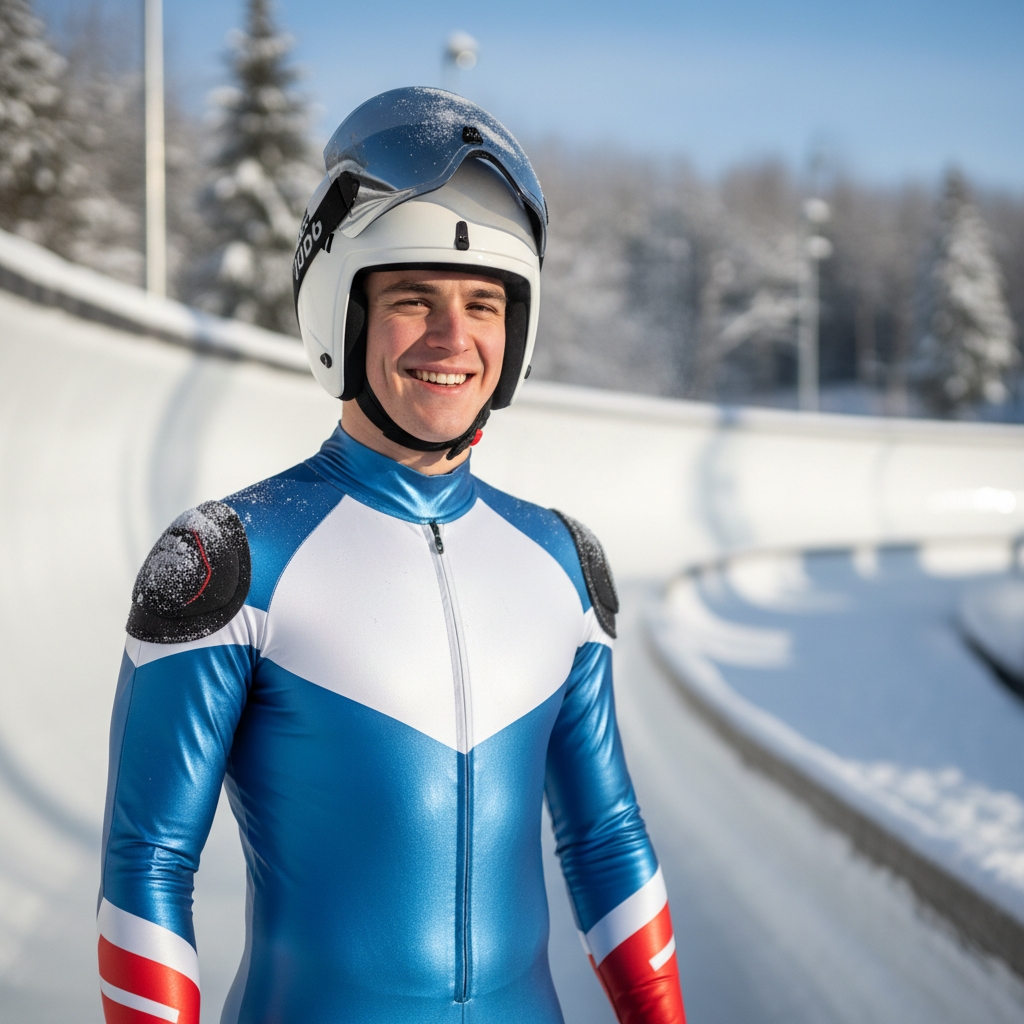
I came for the Olympic Experience Day thinking I'd try it once. That was three years ago. I now run the track four times a week. The first 30 seconds after you tip over the handles — you don't breathe. You just go.
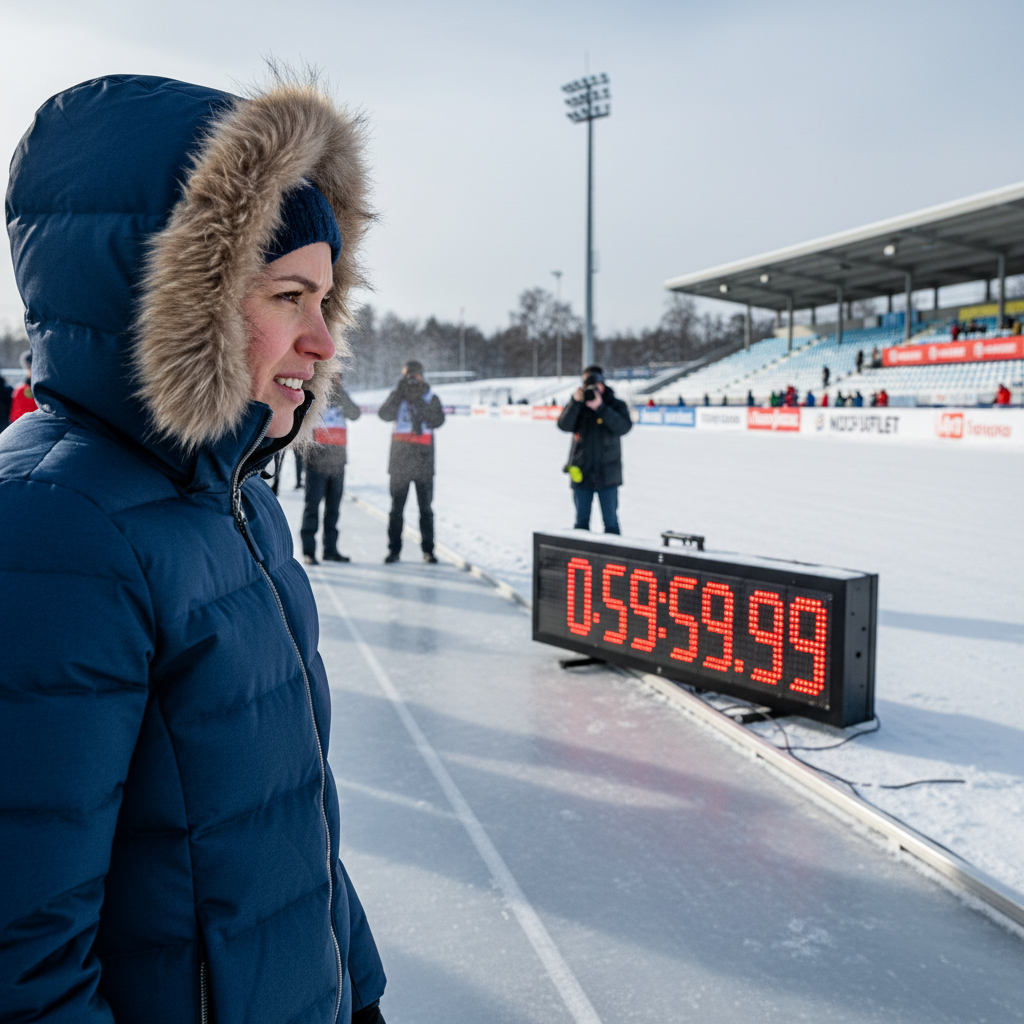
My daughter ran her first national qualifier last month. She was 0.026 seconds off the podium. We watched the split replay for two hours. That's this sport — a millisecond is a season's work, and it's worth every second of it.
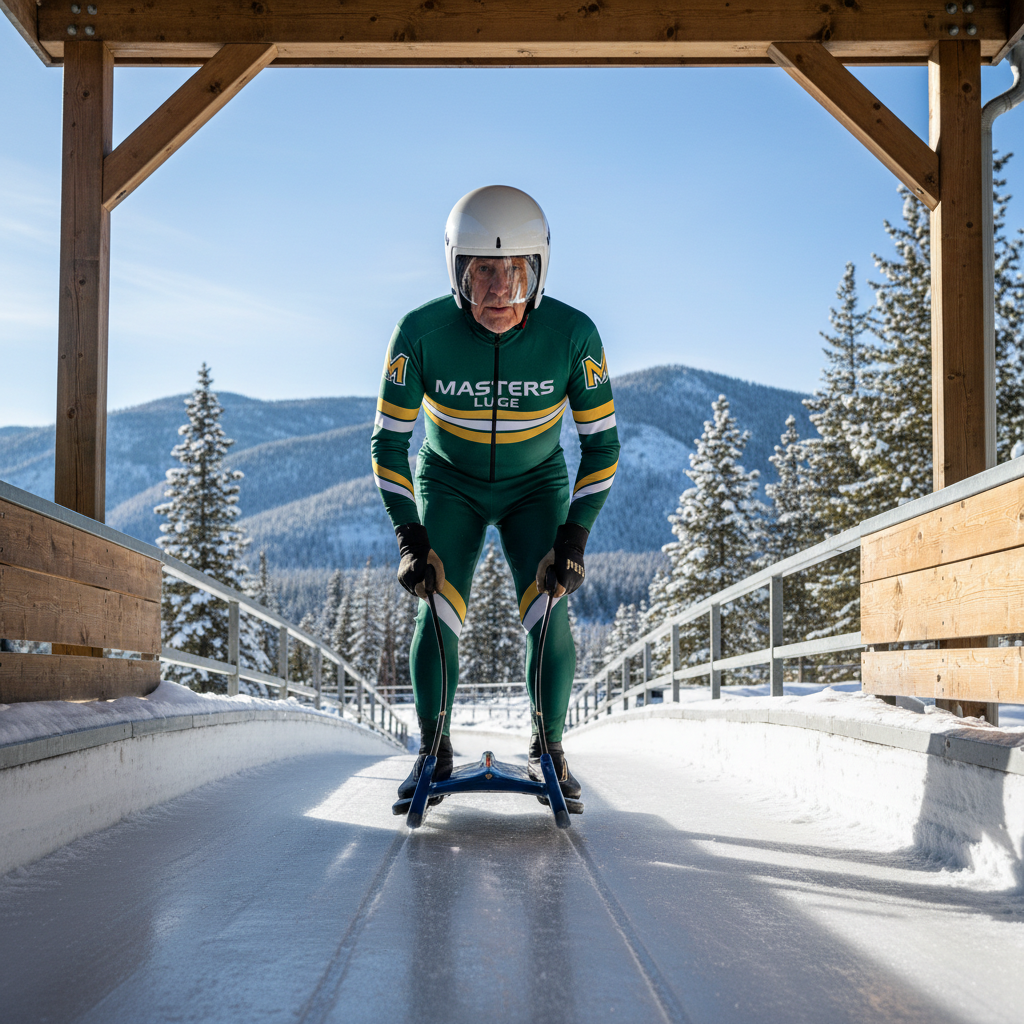
Twenty-three years on this track. I've seen kids come through who couldn't stay on the sled for six seconds, and I've watched some of them go to World Cups. The track doesn't lie. It tells you exactly where you are.
Tip over the
start handles.
Pick your experience level. Choose a track day. Show up. Everything else — the sled, the coaching, the adrenaline — is already waiting.
Watch Race Day Live
Not ready to lie on a sled at 140 km/h? Fair. Watch the Lake Placid World Cup from your couch first. Get livestream access, split-time breakdowns, and behind-the-start-house footage.